Maximize your ride with the right e‑bike. Here’s how to choose the perfect match.
Whether you’re commuting, exploring, or just cruising for fun, an electric bike can transform your daily routine. This guide breaks down the essential info you need before buying your first (or next) e‑bike.
1. Choose the Right Type of e‑Bike
There are four popular styles—each tailored to different lifestyles:
- Commuter e‑Bikes – Ideal for city commuting and daily errands; features like racks, fenders, and hydraulic brakes offer efficiency and comfort.
- Folding e‑Bikes – Compact and portable for RVs, apartments, or public transportation.
- Cargo e‑Bikes – Rugged designs with cargo racks capable of hauling kids, groceries, or gear—great car alternatives.
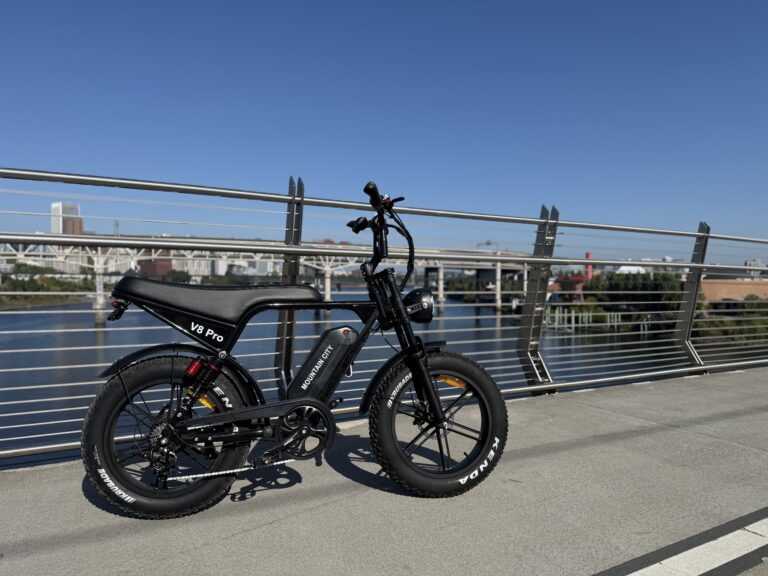
- Off‑Road e‑Bikes – Equipped with fat tires and suspension for trail riding and rugged terrain.
2. Understand e‑Bike Classes
Know your class before you ride:
- Class 1: Pedal-assist up to 20 mph
- Class 2: Pedal-assist + throttle up to 20 mph (standard for many models)
- Class 3: Pedal-assist up to 28 mph (throttle optional/unlockable)
Class 2 gives you pedal and throttle flexibility, with many models upgradeable to Class 3 for extra speed.
3. Battery Range & Factors
Range depends on:
- Terrain (hills use more power)
- Assist level (higher = more juice)
- Rider weight, wind, and weather
- Battery capacity
Expect 20–60 miles on one charge with standard setups. Dual-battery versions can hit ~170 miles—ideal for long-haul or delivery rides.
4. Motor Types & Power
Here’s a quick breakdown:
- Hub Motors – Located in the wheel hub; affordable and efficient for flats.
- Mid-Drive Motors – Mounted near pedals; better for hills and off-road, at a higher cost.
Motor power ranges from 250W (light commuting) to 750W (high-performance and hauling). Many models feature powerful 750W hub motors—great for climbing and cargo.
5. Weight, Frame & Portability
Think about storage and lifting:
- Folding models weigh under 50 lbs and are easy to store in small spaces.
- Cargo and off-road bikes are heavier but built for stability and load-bearing.
Smart design features like step-through frames, quick-folding, and adjustable parts can make all the difference.
6. Match Terrain to Features
Match your ride to terrain:
- Smooth roads: Commuter and folding e‑bikes
- Mixed or off-road trails: Fat tires and suspension-equipped models
- Gravel/beach: Go for fat tires and sturdy frames
- City + trail combos: Hybrid bikes with suspension forks
7. Brakes & Suspension
Prioritize control:
- Mechanical disc brakes – Budget-friendly, reliable
- Hydraulic disc brakes – Smooth, powerful braking
- Front suspension forks – Reduce fatigue over bumps
Most high-end models include hydraulic brakes and dual suspension for confident handling.
8. Built‑In Accessories
A ready-to-ride e‑bike includes:
- Front/rear lights
- Fenders
- Racks or baskets
- Digital display for speed, battery, and mileage
These integrated features enhance safety, convenience, and value—no extra purchases needed.
9. Battery Lifecycle & Care
A typical lithium-ion battery lasts 500–1,000 full charge cycles—care is key:
- Avoid full discharges
- Store in a cool, dry place
- Unplug once fully charged
High-quality, UL-certified batteries ensure safety and longevity.
10. Storage & Transport Planning
Consider how and where you’ll park your e‑bike:
- Folding e‑bikes: Easy to store in apartments, cars, or RVs
- Cargo/off-road bikes: Require more space, but excel in utility
- Detachable batteries make charging flexible and hassle-free
11. Learn Local Laws & Regulations
e‑Bike regulations vary—check local rules on:
- Permitted paths/trails
- Maximum speeds
- Helmet requirements
Following these helps avoid fines and ensures e‑bikes stay welcome in your community.
12. Rebates & Incentives
Many states and cities offer:
- Cash rebates
- Tax credits
- Utility or energy incentives
Check both local government and utility programs, and combine with seasonal deals for maximum savings.
Final Tips: Make an Informed Choice
Choosing the right e‑bike means balancing:
- Your commute or ride type
- Desired range and power
- Portability versus stability
- Built-in convenience features
- Local regulations and financial incentives
With this guide, you’ll ride smart and confident. Ready to roll?